





Tell us about your project
A team of experts at your service to bring your ideas to life
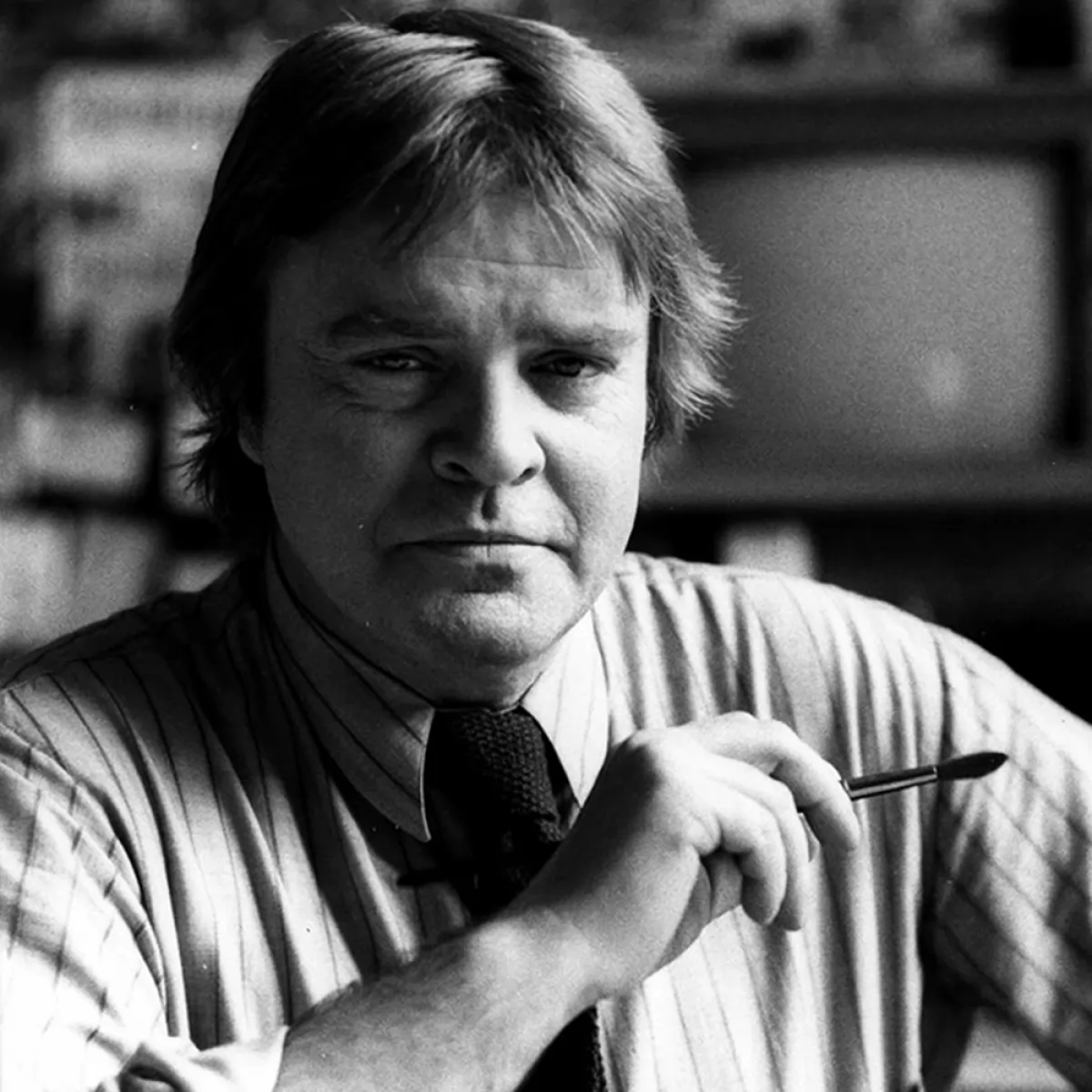
(Modena, March 31, 1941 – Bologna, December 10, 1995)
Bonvi spent his youth in Modena, where he began drawing toy soldiers on the tablecloths of the taverns he frequented. His has been described as “an invented life”: indeed, every episode of Franco Bonvicini’s life seems worthy of a story. His birth, for instance, is claimed by both Modena and Parma — although born in Modena, his mother registered him in both cities’ registries to obtain a double ration card, necessary to secure food supplies during the strict wartime rationing.
His first official approach to work came in the field of advertising. In 1965, through his friendship with Francesco Guccini, whom he had known for over a decade, he began collaborating with the animation studio Vinder Film, where he helped produce memorable animated commercials for Amarena Fabbri, featuring Salomone pirata pacioccone, which appeared on Carosello.
In the two years that followed, he also gained experience in the film industry (as a costume designer and makeup artist), even acting in the role of Derek Flit alongside Franco Franchi, Ciccio Ingrassia, and Julie Menard in Come rubammo la bomba atomica (How We Stole the Atomic Bomb), directed by Lucio Fulci.
The year 1968 marked a turning point: with the comic strips Sturmtruppen, his most famous characters, first published in the Roman underground magazine Off-Side, Bonvi won the competition organized by the newspaper Paese Sera at the Lucca Comics Show. Starting the following year, the misadventures of his unlucky German soldiers were officially serialized in Paese Sera.
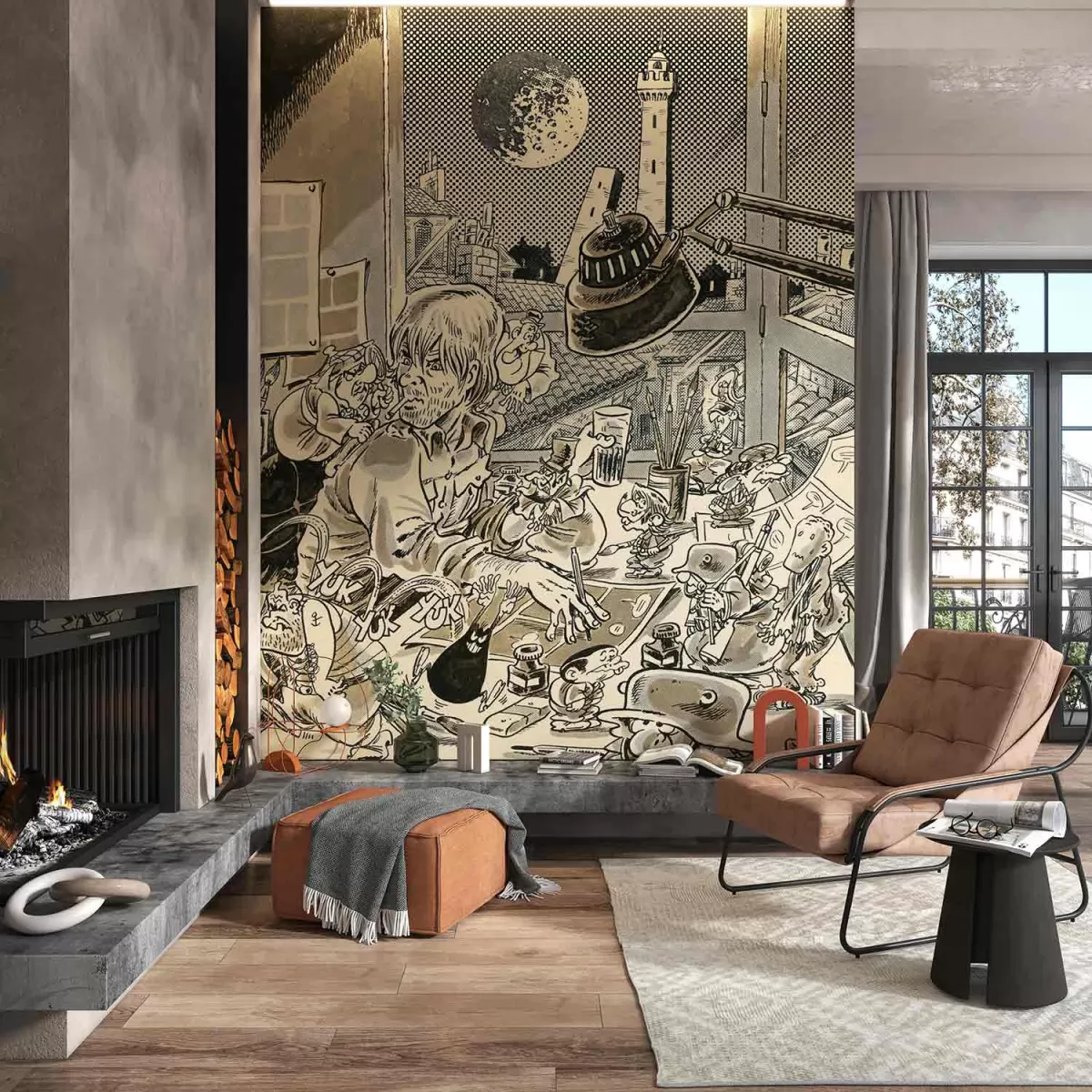
Between 1968 and 1970, in collaboration with his friend Guccini, he wrote and illustrated Storie dallo spazio profondo (Stories from Deep Space), published in the monthly magazine Psyco. These were science fiction stories starring a human (Bonvi) and his robot companion (Guccini). Bonvi’s characteristic habit of including himself as a protagonist in his comics began during this period — a device also found in the early episodes of Incubi di provincia (Provincial Nightmares), which he started in those years and continued sporadically until 1977.
In 1969, he created for Edizioni Alpe the characters Capitan Posapiano and Cattivik. The latter, a parody of the noir comics of the time, derived from an older idea of his that had already appeared in issue no. 0 of Undercomics. Bonvi later passed the legacy of Cattivik to Silver (Guido Silvestri), his very young assistant at the time.
Between the late 1960s and early 1970s, he created the character Nick Carter for the TV show Gulp! I fumetti in TV. This detective, a parody of infallible sleuths like Sherlock Holmes, made his print debut in 1972 in Il Corriere dei Ragazzi. The following years saw the creation of Cronache del dopobomba (After the Bomb Chronicles), which Italian publishers initially rejected, but which were published in France in 1974 thanks to Bonvi’s growing fame — boosted by his Prix International St. Michel win at the first Angoulême Festival in 1973. This award opened the doors of the French market, where he produced the adventures of Milo Marat and collaborated with numerous magazines (Pif, Scope) and francophone authors (notably Claude Moliterni).
In 1974, he won both the Yellow Kid Award at the Lucca International Comics Show and the Nettuno Award, granted by ANAF Bologna, which he would receive again in a later edition.
The Un uomo un’avventura series by Editoriale CEPIM (Sergio Bonelli) featured Bonvi as the author of issue no. 13, L’uomo di Tsushima, in 1978.
The following year, he created Marzolino Tarantola, a parody of Albert Robida’s Saturnino Farandola, which premiered on March 8, 1979, in the new TV comics series Supergulp!.
In 1982, he produced Heidi contro Ufo Robot for Playboy Italia, humorously satirizing the then-popular Japanese animated series. In the second half of the 1980s, in addition to being elected to the Bologna City Council, he co-founded, with Red Ronnie (Gabriele Ansaloni), the publishing house G. Vincent, which released both the new Sturmtruppen monthly and the magazine Be Bop a Lula during that five-year period.
Between 1993 and 1994, he drew Blob for Comix, a humorous offshoot of Sturmtruppen described as “Bonvi’s crappy comic,” created exclusively for charity, and also produced Il Calendario di Frate Indurino for Linus.
In 1995, he wrote Maledetta Galassia (Damn Galaxy) and La Città (The City), with artwork by Giorgio Cavazzano. These were originally conceived for the Zona X miniseries by Sergio Bonelli Editore and later published in I grandi comici del fumetto by the same publisher. That same year, he created his final work, Alì Babà e i quaranta ladroni (Ali Baba and the Forty Thieves), where, with great attention to detail and setting, he reinterpreted the original Arabian Nights tale while introducing new characters. These thirty plates — inspired by his travels in the Middle East and studies of various architectural texts — were accompanied by a retelling of the story by Enrico Brizzi and were recently published in the volume Apriti sesamo, by Magazzini Salani.
He died on December 10, 1995, struck by a hit-and-run driver while on his way to appear as a guest on his friend Red Ronnie’s TV show Roxy Bar. He was carrying some of his drawings to sell, intending to donate the proceeds to his friend Magnus, who was battling cancer at the time.

A team of experts at your service to bring your ideas to life